
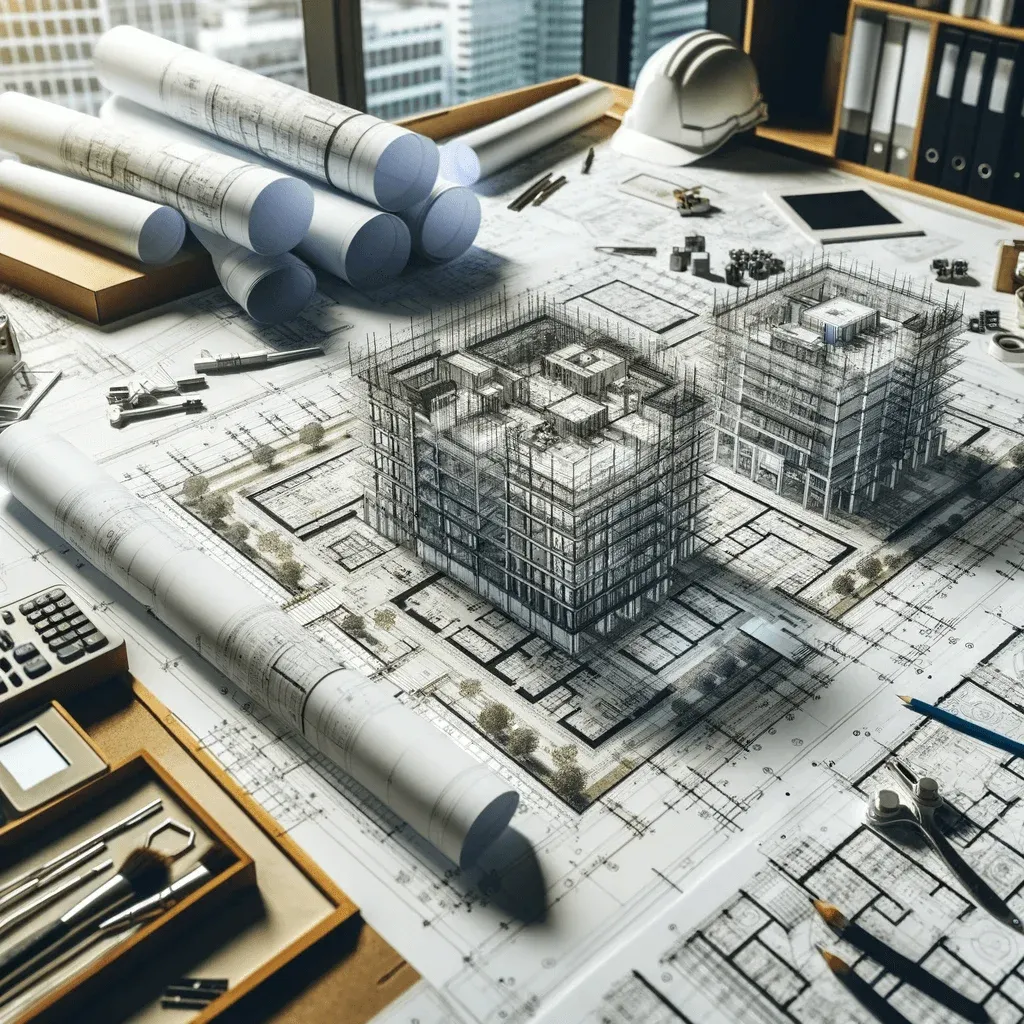
Retail construction is not just about putting up walls and finishing interiors. It is about timing, precision, and making sure the business can start operating without delays. Even a small setback can affect sales, staffing, and customer experience. That is why structured planning and execution matter so much. This is where Construction Management Winnipeg plays a crucial role in bringing order, clarity, and control to complex retail projects from start to finish.
Importance of Structured Project Coordination
Retail construction projects involve many moving parts working at the same time. Architects, engineers, contractors, suppliers, and inspectors all depend on each other to complete their tasks. If one piece falls behind, the entire timeline can shift. This is why structured coordination is not optional; it is essential.
Good coordination ensures that every stakeholder knows what to do and when to do it. It reduces confusion, prevents overlap of work, and avoids costly mistakes on-site. With a well-managed system, communication becomes smoother, and decisions are made faster. This helps keep the project aligned with deadlines and expectations.
In real-world projects, even small missteps like material delays or scheduling conflicts can snowball into bigger issues. Proper coordination acts like a safety net that keeps everything stable. It brings discipline to the workflow and helps everyone stay focused on the end goal, which is delivering a functional retail space on time.
Role of Planning in Retail Construction Success
Planning is the backbone of every successful retail construction project. It sets the direction before any physical work begins. A strong plan includes timelines, budgets, material selection, labor scheduling, and compliance requirements. Without it, projects often become reactive instead of proactive, leading to stress and inefficiency.
A Retail Construction services company Winnipeg usually relies on detailed planning frameworks to ensure smooth execution. Every phase is mapped out in advance so teams can follow a clear roadmap. This reduces uncertainty and helps avoid last-minute changes that often cause delays or increase costs.
Good planning also improves resource management. Materials arrive when needed, teams are scheduled efficiently, and work progresses in a logical sequence. This avoids idle time and reduces waste. In retail construction, where deadlines are often tied to business openings or lease agreements, planning becomes even more critical.
When planning is done right, the project feels less chaotic and more controlled. It creates confidence among stakeholders and helps ensure that expectations are met without unnecessary surprises.
Improved Communication and On-Site Efficiency
Communication is one of the most important factors in construction success. When teams communicate clearly, work becomes faster, smoother, and more accurate. On the other hand, poor communication often leads to confusion, rework, and delays that could have been easily avoided.
Effective communication ensures that updates, design changes, and instructions reach the right people at the right time. This helps teams respond quickly and make better decisions on-site. It also reduces the chances of misunderstandings that can affect quality or safety.
On retail construction sites, efficiency is everything. Work must progress without interrupting surrounding business operations or causing unnecessary downtime. Clear communication supports this by keeping all teams aligned and aware of ongoing activities.
When everyone is on the same page, productivity improves naturally. Workers spend less time waiting for instructions and more time completing tasks. This creates a smoother workflow and helps the project stay on track, even when unexpected challenges arise.
Better Control Over Time, Cost, and Quality
One of the biggest challenges in retail construction is balancing time, cost, and quality. These three elements are always connected. If one is not managed properly, the others are affected as well. That is why strong control systems are essential throughout the project.
Time management ensures that deadlines are met without unnecessary delays. Cost control helps prevent budget overruns and keeps spending aligned with expectations. Quality management ensures that the final result meets design and safety standards without compromise.
With proper systems in place, teams can track progress in real time and identify issues before they become major problems. This proactive approach reduces risks and improves overall efficiency. It also allows better decision-making at every stage of construction.
Strong control mechanisms create a sense of stability in the project. Instead of reacting to problems, teams can plan and stay prepared. This leads to more predictable outcomes and fewer surprises for business owners.
Final Thoughts on Retail Construction Success
Retail construction success depends on how well planning, coordination, communication, and execution come together. When these elements are managed properly, projects run more smoothly and deliver better results.
With structured systems and disciplined workflows, Construction Management Winnipeg becomes a key factor in achieving efficiency and reliability. It helps ensure that retail projects are completed on time, within budget, and with fewer disruptions along the way.
In the end, good management does more than just build physical spaces. It builds trust, reduces risk, and creates retail environments that are ready for business success from day one.